


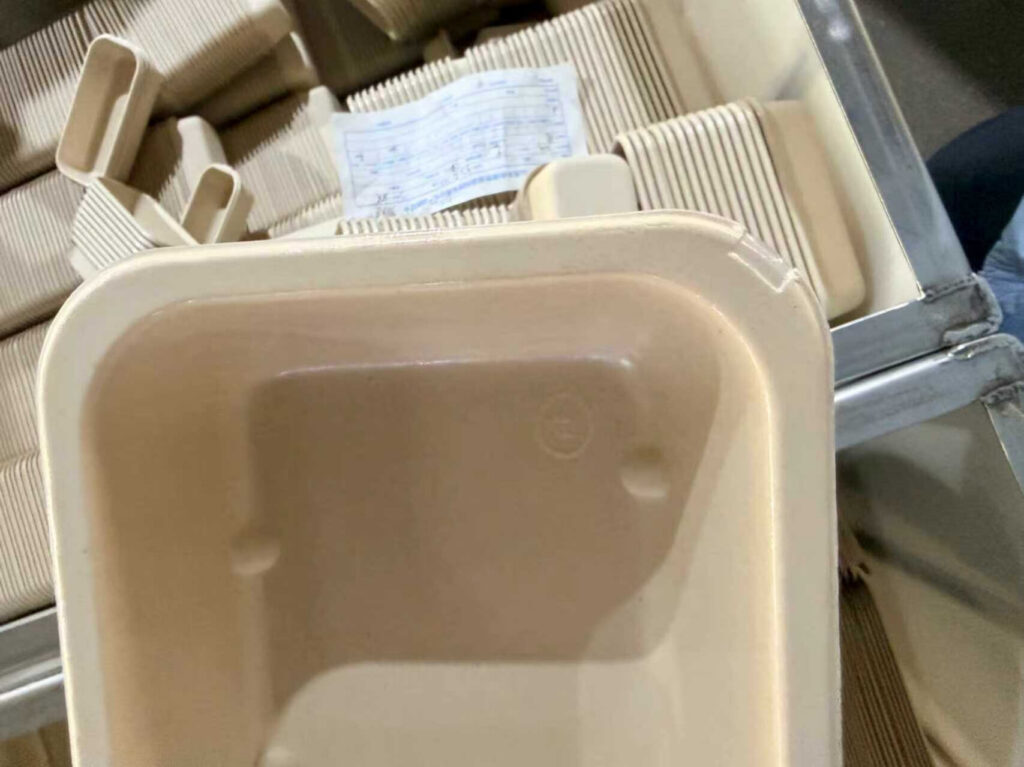
Food producers today face two competing priorities: extending product shelf life and reducing the environmental impact of their packaging.
Modified Atmosphere Packaging (MAP) is the industry standard for keeping fresh food fresh. Traditionally, this involves plastic trays—typically PET or PP—sealed with high-barrier films. However, as environmental regulations tighten and consumer demand for “plastic-free” options grows, the industry is searching for alternatives that maintain performance while embracing sustainability.
Bagasse-based molded fiber packaging has emerged as a leading solution, bridging the gap between circular economy goals and the rigorous demands of high-speed production.
What Is Modified Atmosphere Packaging?
MAP works by replacing the air inside a food package with an adjusted gas mix before sealing it with a barrier film. This slows spoilage and preserves the color and texture of proteins, produce, and ready-meals. While effective, the reliance on traditional plastic trays remains a sustainability bottleneck.
Why the Food Industry Is Exploring Fiber MAP Trays
The global shift toward Fiber-Based MAP represents a strategic convergence of high-performance food science and environmental responsibility. As the industry faces pressure from both regulatory bodies and eco-conscious consumers to reduce single-use plastics, sugarcane bagasse trays have emerged as a viable, scalable solution.
Beyond sustainability, these trays are designed for operational resilience. They are engineered with rigid rims for reliable heat-sealing and the structural “de-nesting” capabilities required for high-speed automated filling lines. By adopting fiber MAP, food companies can significantly lower their carbon footprint and meet circular economy goals without compromising the rigorous safety standards essential for fresh proteins, ready-meals, and produce.
Understanding Bagasse: The Material Behind the Tech
Bagasse is the fibrous byproduct of sugarcane juice extraction. Rather than treating it as agricultural waste, the packaging industry upcycles it into high-performance molded fiber. Beyond being compostable and renewable, bagasse is structurally rigid, making it an excellent base for MAP applications. When paired with high-barrier coatings—such as CPET and EVOH—these trays gain the gas-tight properties needed to protect fresh proteins and ready-meals, effectively matching the performance of traditional PET/PP plastics.
Can Bagasse Trays Handle MAP Requirements?
Yes, bagasse trays can be designed for use in modified atmosphere packaging when combined with appropriated barrier coatings.
In MAP packaging, the ability to maintain the internal atmosphere depends on the overall barrier performance of the package. While molded fiber provides structural strength, additional coatings are typically applied to control gas transmission.
These coatings allow bagasse trays to function effectively within tray-sealing systems used in food packaging facilities.
Barrier Coatings for Bagasse MAP Trays
To achieve the required performance for MAP applications, molded fiber trays can incorporate different types of polymer coatings or laminations.
Common options include:
- CPET (Crystallized PET): Used when higher heat resistance is required. CPET coatings allow fiber trays to be used for certain prepared food or ready-meal applications.
- PET (Polyethylene Terephthalate)/PP (Polypropylene): Provides excellent moisture resistance and sealing stability for chilled foods.
For products that require extended shelf life, high-barrier materials such as EVOH (Ethylene Vinyl Alcohol) can also be incorporated into the coating structure. EVOH significantly reduces oxygen transmission, helping maintain the modified atmosphere inside the package.
By combining molded fiber with these coatings, bagasse trays can provide both structural sustainability benefits and functional barrier performance.
Design Innovations for Material Separation

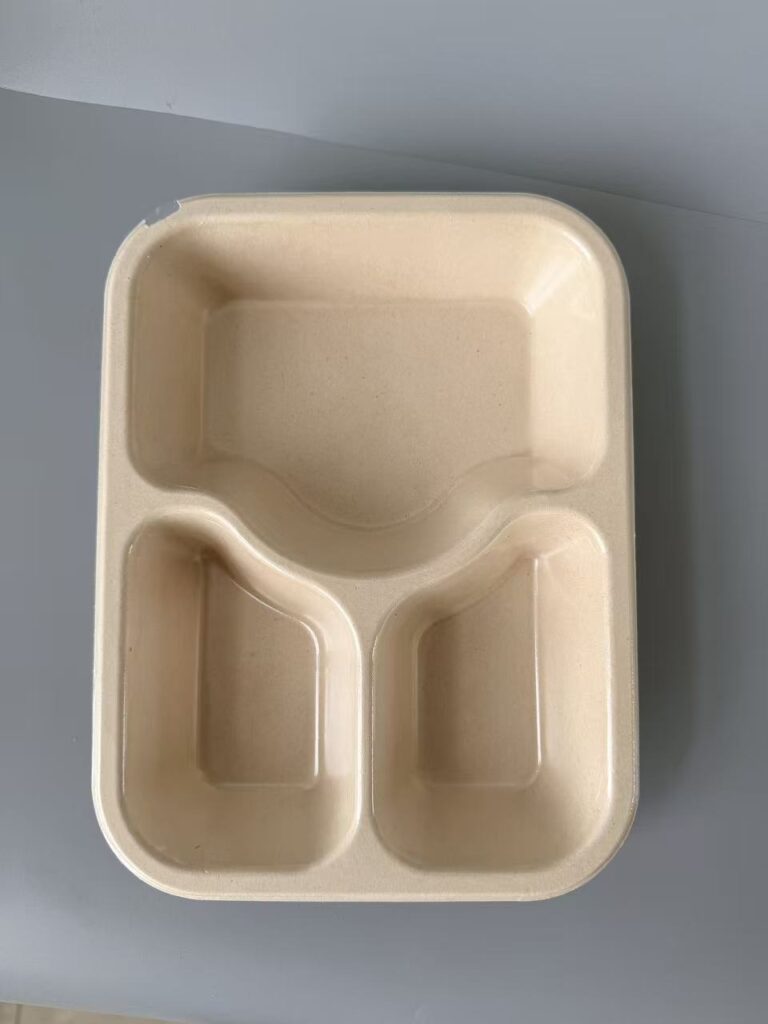
As food packaging regulations continue to evolve, more attention is being placed on the end-of-life handling of packaging materials.
One practical design innovation is the integration of a tear-off notch on the sealing rim of the tray.
This small structural feature allows the coating layer to be easily peeled away from the molded fiber tray after use. Once separated, the rigid fiber structure and the polymer coating can be handled according to local recycling or waste management requirements.
Design solutions like this help improve material separation and support compliance with emerging packaging regulations that encourage better resource recovery.
Applications for Bagasse MAP
Bagasse MAP trays are now viable for a wide range of categories:
- Fresh Meat & Poultry: Maintains internal atmosphere and visual appeal.
- Seafood: Provides the gas control necessary to prevent early spoilage.
- Ready Meals: CPET-lined options handle oven/microwave heating safely.
- Produce & Deli: Keeps salads and cut fruit fresh while enhancing shelf presentation.
Customizable Bagasse MAP Tray Solutions
Different food products often require specific tray designs depending on factors such as product weight, sealing film compatibility, and shelf life requirements.
As an experienced molded fiber packaging manufacturer, Écru Pak works with customers to develop custom bagasse tray solutions tailored to their packaging needs.
Customization options may include:
- custom tray dimensions and depths
- coating structures such as CPET, PET, or PP
- integration of high-barrier EVOH layers when required
- design features such as tear-off notches for easier material separation
By adapting tray design to specific products and packaging lines, businesses can achieve the right balance between performance, sustainability, and operational efficiency.
Moving Toward More Sustainable MAP Packaging
As sustainability becomes a central focus across the food industry, many companies are exploring alternatives to traditional plastic packaging.
Bagasse trays designed for modified atmosphere packaging provide a practical pathway toward reducing plastic use while maintaining food quality and shelf life.
With ongoing developments in molded fiber technology, coating systems, and packaging design, fiber-based MAP trays are expected to play an increasingly important role in the future of sustainable food packaging.